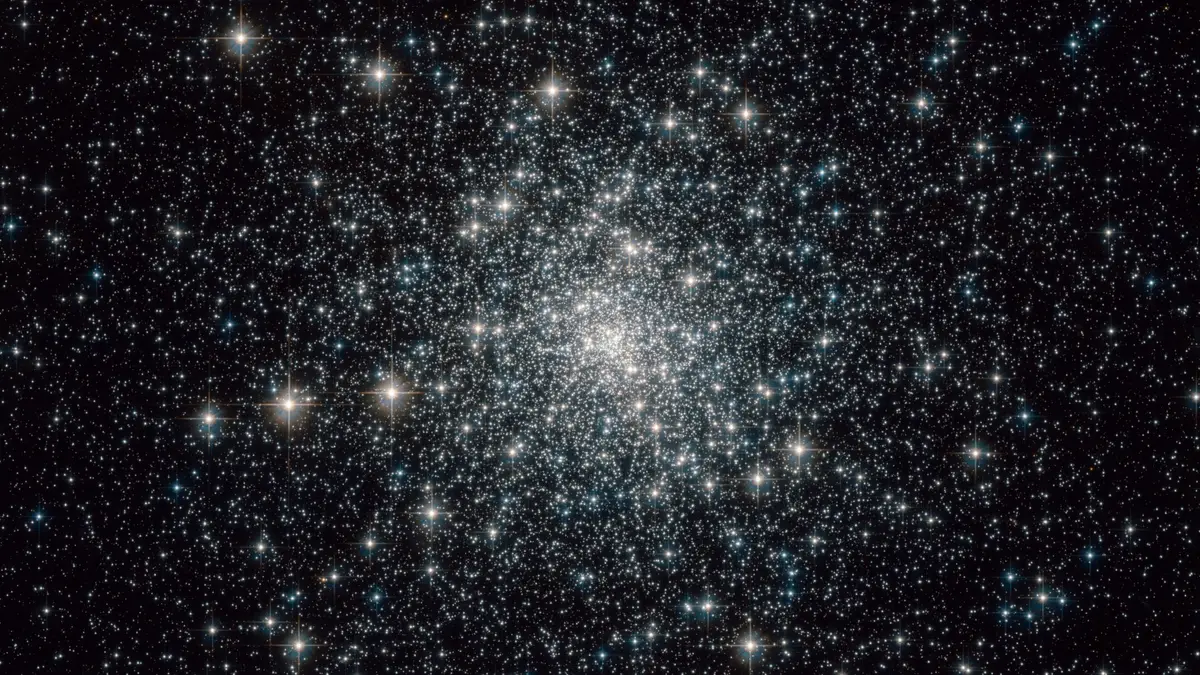
M30 · globular cluster
Messier 30
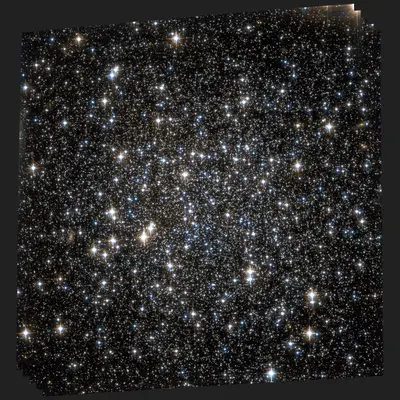
Messier 30 is a globular cluster of stars in the southeast of the southern constellation of Capricornus, at about the declination of the Sun when the latter is at December solstice.
Identity & coordinates
Identification
- Primary designation
- M30
- All designations
- M30 · NGC 7099
- Object type
- Globular Cluster
- Constellation
- Capricornus
- Best viewing
- Summer · Autumn
Coordinates & physical
- Right ascension (J2000)
- 21h 40m 22s
- Declination (J2000)
- −23° 10' 43"
- Apparent magnitude (V)
- —
- Distance
- —
Visibility tonight
The science
Messier 30 is a globular cluster of stars in the southeast of the southern constellation of Capricornus, at about the declination of the Sun when the latter is at December solstice. It was discovered by the French astronomer Charles Messier in 1764, who described it as a circular nebula without a star. In the New General Catalogue, compiled during the 1880s, it was described as a "remarkable globular, bright, large, slightly oval." It can be easily viewed with a pair of 10×50 binoculars, forming a patch of hazy light some 4 arcminutes wide that is slightly elongated along the east–west axis. With a larger instrument, individual stars can be resolved and the cluster will cover an angle of up to 12 arcminutes across graduating into a compressed core about one arcminute wide that has further star density within.
Summary adapted from Wikipedia · CC-BY-SA-4.0
References
- SIMBAD Not resolved
- NED Fetched May 8, 2026 View in NED ↗
- Wikipedia Fetched May 8, 2026 Read full article ↗
Wikipedia title resolved via designation — fell back to an alternate catalog designation.
1 merge conflict resolved
- coordinates: SIMBAD missing → NED used