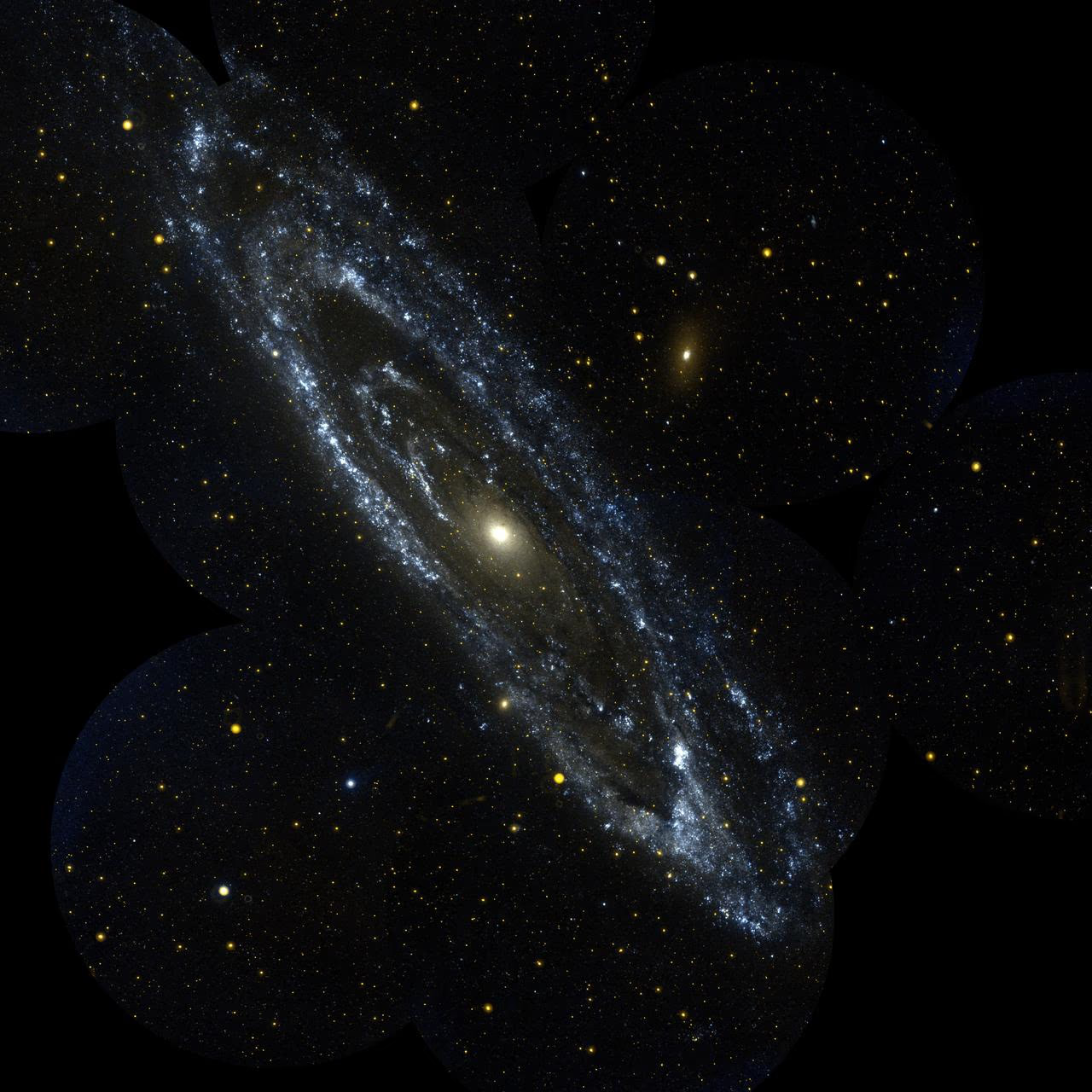
M31 · galaxy
Andromeda Galaxy
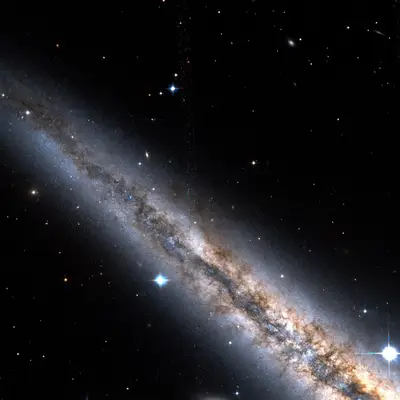
The Andromeda Galaxy is a barred spiral galaxy and is the nearest major galaxy to the Milky Way.
Identity & coordinates
Identification
- Primary designation
- M31
- All designations
- M31 · NGC 224 · Andromeda Galaxy
- Object type
- Galaxy
- Constellation
- Andromeda
- Best viewing
- Autumn · Winter
Coordinates & physical
- Right ascension (J2000)
- 00h 42m 44s
- Declination (J2000)
- +41° 16' 08"
- Apparent magnitude (V)
- —
- Distance
- —
- Redshift (z)
- -0.000991
Visibility tonight
In your gallery
-
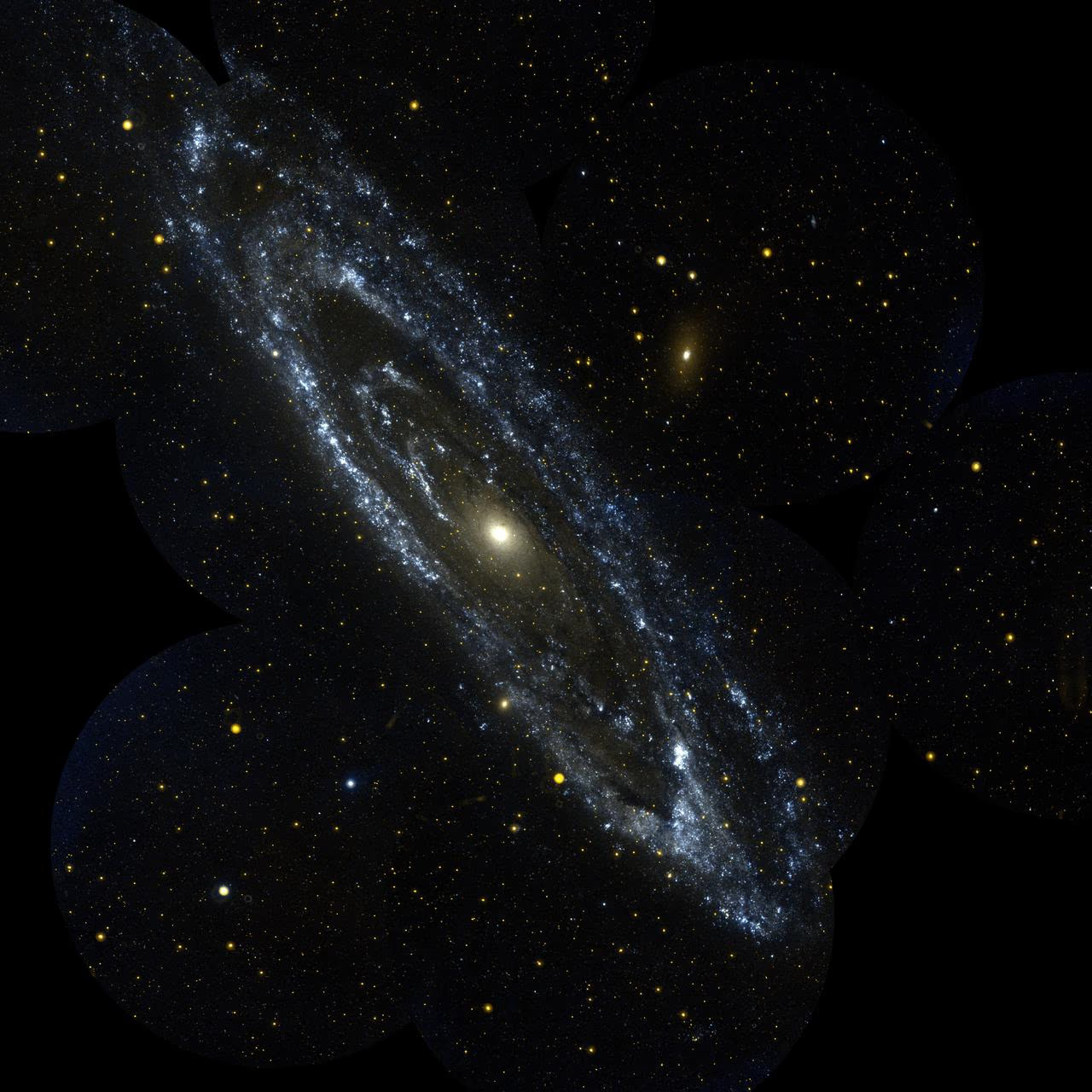
October 4, 2025 · Backyard Observatory, Michigan
The Great Andromeda
Two and a half million years of light, gathered in a backyard.
- Integration
- 4h 12m
- Subs
- 252 × 60s
- Telescope
- Celestron Origin
- Camera
- Sony IMX178 (built-in)
- Bortle
- 6
- Moon
- Waning Crescent, 14%
The science
The Andromeda Galaxy is a barred spiral galaxy and is the nearest major galaxy to the Milky Way. It was originally named the Andromeda Nebula and is cataloged as Messier 31, M31, and NGC 224. Andromeda has a D25 isophotal diameter of about 46.56 kiloparsecs (152,000 light-years) and is approximately 765 kpc (2.5 million light-years) from Earth. The galaxy's name stems from the area of Earth's sky in which it appears, the constellation of Andromeda, which itself is named after the princess who was the wife of Perseus in Greek mythology.
Summary adapted from Wikipedia · CC-BY-SA-4.0
References
- SIMBAD Not resolved
- NED Fetched May 8, 2026 View in NED ↗
- Wikipedia Fetched May 8, 2026 Read full article ↗
1 merge conflict resolved
- coordinates: SIMBAD missing → NED used